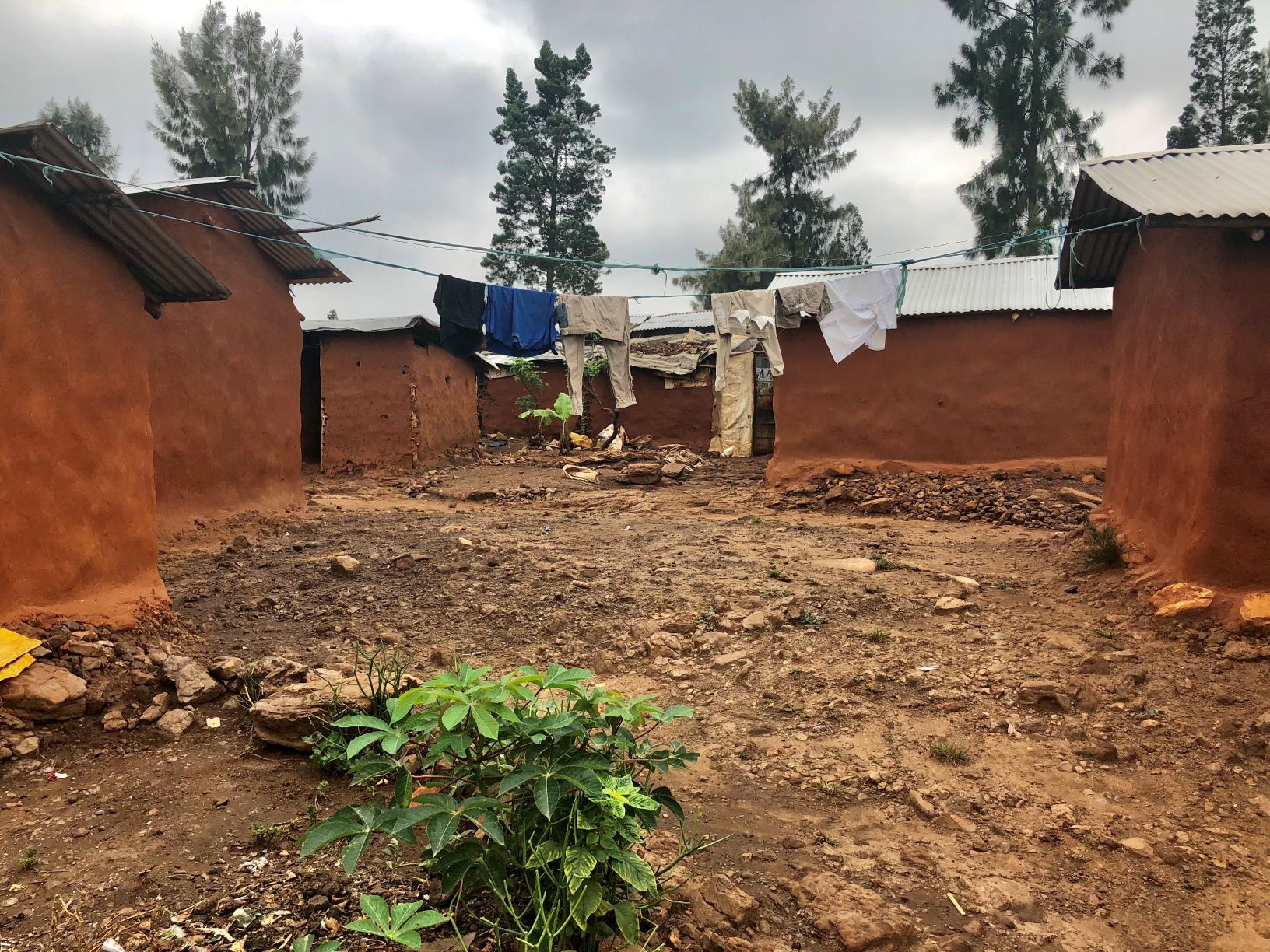
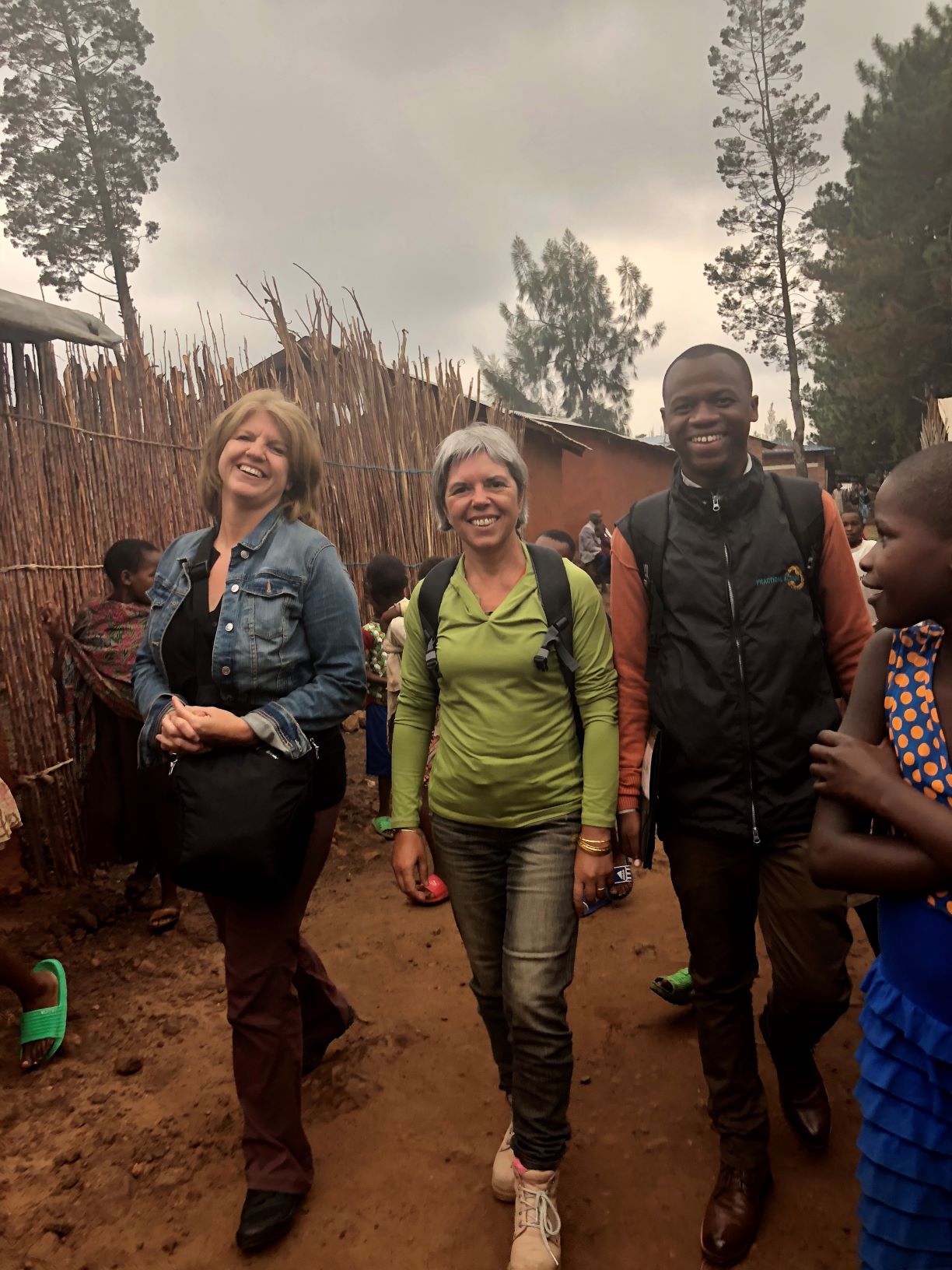
During November and December 2018, members of the HEED team undertook a series of E4E workshops with members of the communities with whom the project is working in Rwanda and Nepal. You can find out more about the workshops here.
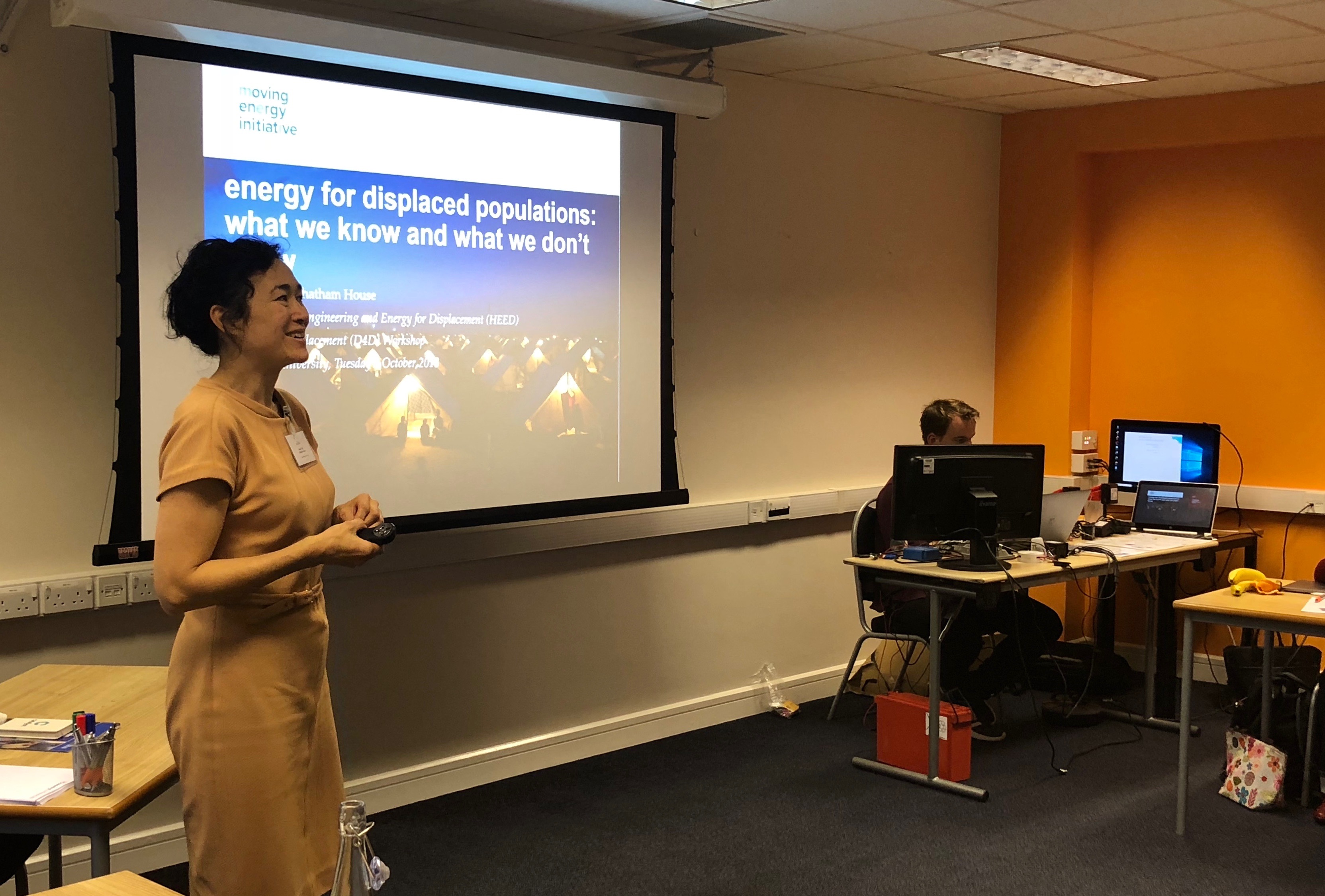
On Tuesday the 2nd of October HEED hosted its third and final Design for Displacement (D4D) workshop at Coventry University. Leading the workshop was Professor Heaven Crawley and it was attended by a wide range of stakeholders and academics. The keynote speaker of the day was Dr Glalda Lahn from Chatham House, who focused on the importance of building a robust body of data on energy use. Following from Dr Lahn presentation, members of the HEED team provided information about the role of engineering and IoT in developing evidence based claims, which can substantiate innovation in developing efficiency and sustainability in energy services. There was also a chance for workshop delegates to be hands-on with various intervention design models. The workshop was highly successful and generated a great deal of lively and informed discussions on the extent renewable energy can provide solutions to energy poverty for displaced people and refugees. To learn more about the presentations and topics please go to our engagement page.
On 22nd September 2018 Vijay Bhopal and Jelte Harnmeijer, from our project partners Scene, working in partnership with a local innovation hub, Bikas Udhyami held a Summer School in Tirpureshwor, Nepal. The event was attended by more than 80 people, a mixture of academics, entrepreneurs and practitioners. This Summer School provided an opportunity for the HEED project to discuss how IoT data collection can address energy poverty with the next generation of IoT entrepreneurs and academics .
To find out more about how Vijay Bhopal and Jelte Harnmeijer, from our project partners Scene, got on at the event go to our engagement page.
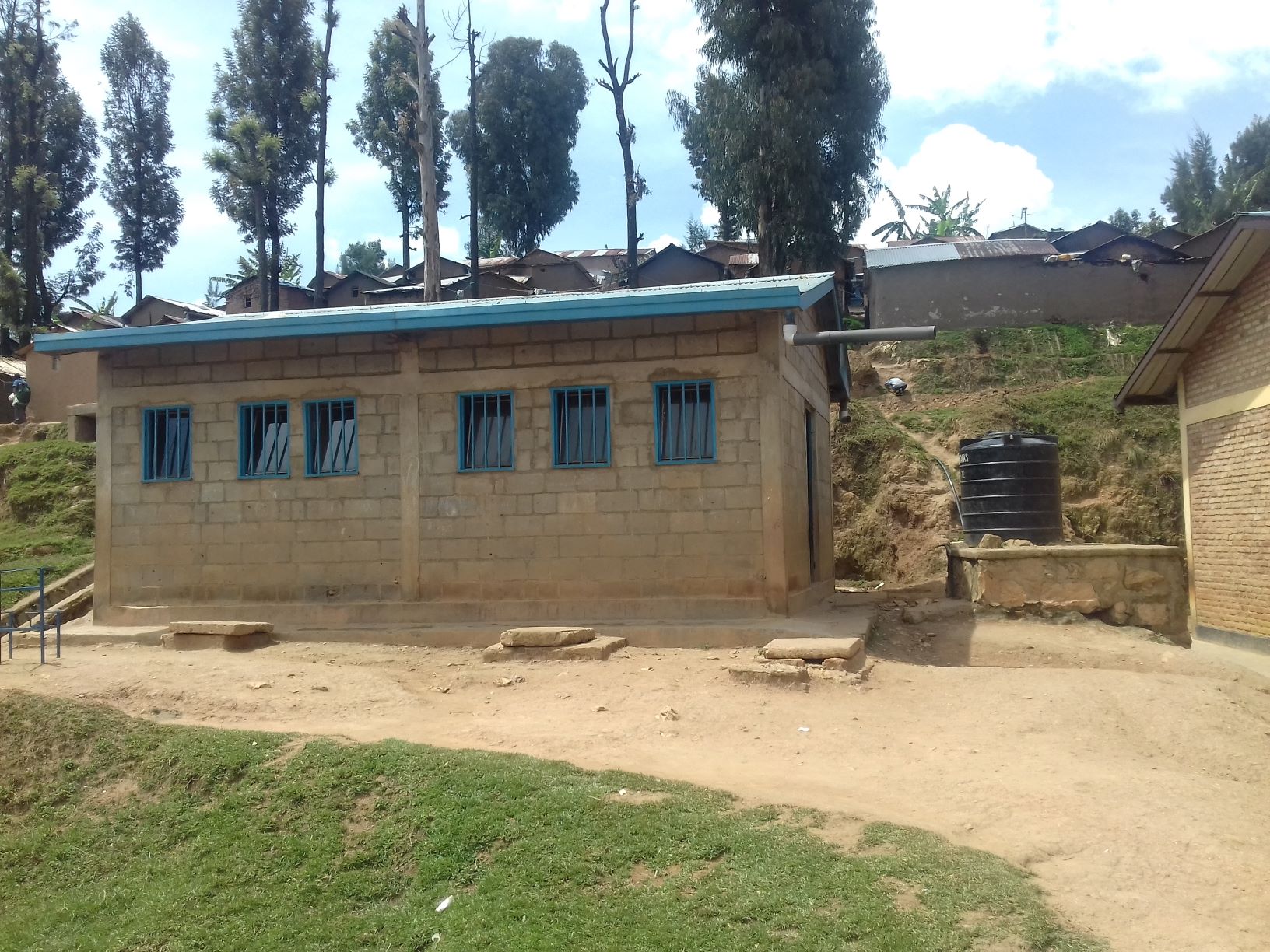
Looking to be part of an innovative and inspirational project to address energy poverty by providing new technical solutions for displaced populations ? The HEED project has four full funded PhD studentships in data mining, long-lived wireless sensor networks and micro-grid management and control systems
By becoming part of the HEED team you will engage in meaningful research and join a dedicated interdisciplinary team of scientists, project collaborators and fellow doctoral researchers who are exploring ways to provide better energy solutions for refugees.
The deadline for completed applications is the 1st of November 2018 and the on-line application is here.
If you have any queries or would like to find out more about the PhD studentships and working on the HEED project please contact us here
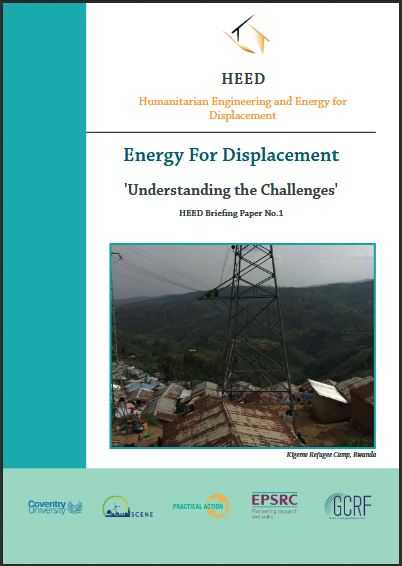
We are pleased to announce the first of our briefing papers is now available here. This paper aims to disseminate key findings to improve energy policy and practice. By adding to the literature around humanitarian energy and displaced populations it will generate greater discussion in the fields of decentralised energy, off-grid renewables and the issues of access to energy for refugees and displaced people.