Blog

  • HEED presents at the Humanitarian Energy Conference: July 31, 2019 — August 1, 2019, Addis Ababa, Ethiopia


    The Humanitarian Energy Conference (HEC) is an annual global event, overseen by Safe Access to Fuel and Energy (SAFE) Humanitarian Working Group and the Global Plan of Action for Sustainable Energy Solutions in Situations of Displacement (GPA). Hosted by the Clean Cooking Alliance and the UN Institute for Training and Research (UNITAR), it has support from the Norwegian Agency for Development Cooperation (Norad), Shell International, and the IKEA Foundation. The aim of the conference is to bring together humanitarian agencies, NGOs, development organizations, private companies, governments, funding entities, and researchers on a global level to work together to improve energy access for displaced and crisis-affected people.

    This year, as part of a side event at the HEC conference, HEED delivered a workshop for over 40 energy practitioners, policymakers and energy suppliers. Lead by HEED project partners, Practical Action and Scene, the workshop presented the aims of the project and introduced the Renewable Energy Recommendation Tool (HEED -RERT). In keeping with HEED’s vision of encouraging collaboration between researchers, stakeholders and service users, the workshop allowed for critical discussion on RERT and ways the tool could benefit practitioners when planning energy needs in the displaced context.
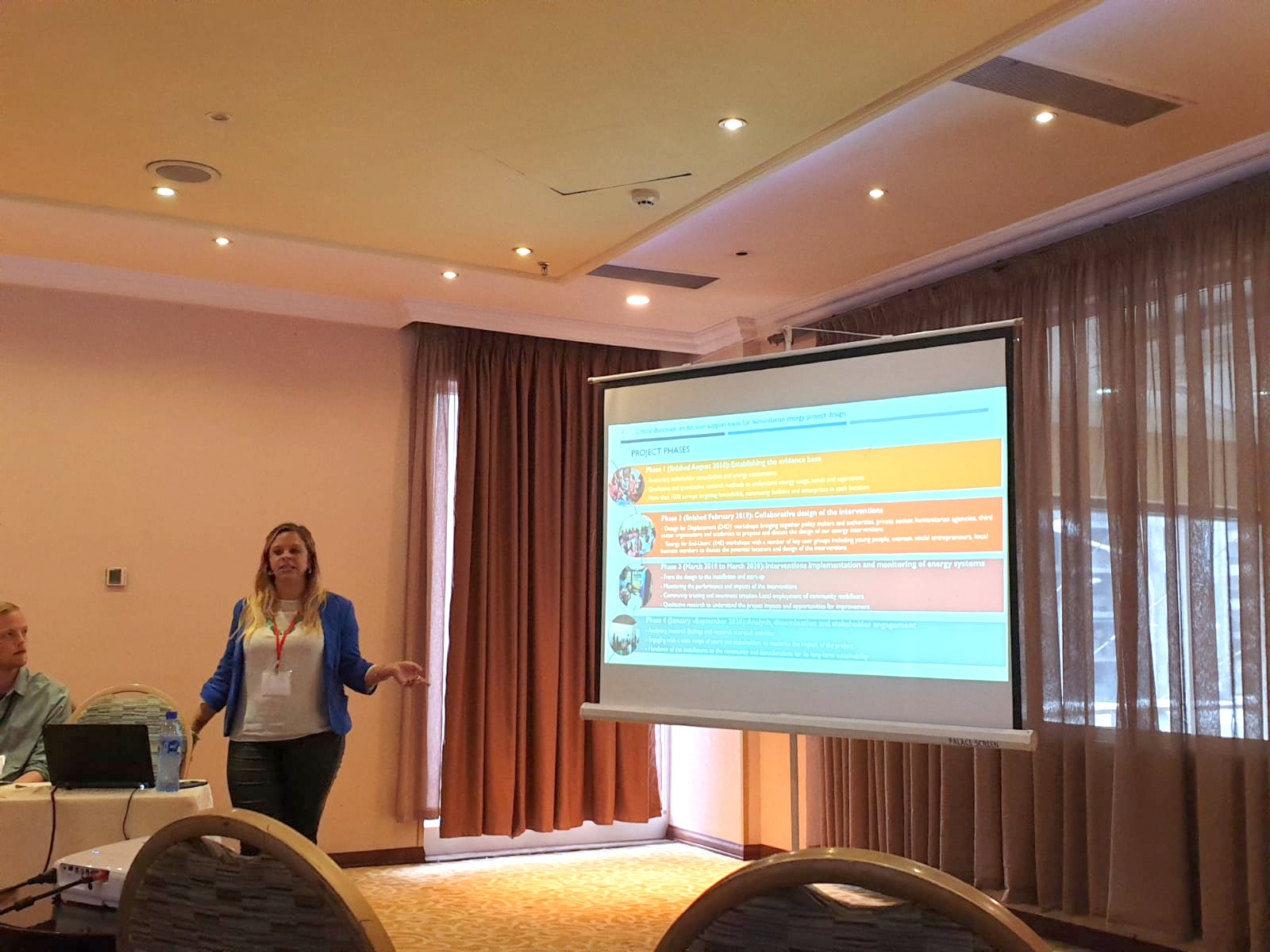
    Melania Tarquino, project manager for HEED (Practical Action), felt attending the conference, not only increased exposure for HEED’s work but would also inform the project in going forward:

    ‘The conference itself was very interesting, I especially enjoyed the networking and experiences exchange with other project managers that work in similar contexts. I couldn’t find any other implemented project working on communal access to energy as ours, or at least not off-grid. Hence, many people were interested in knowing about our experience, for example, to keep the security of the systems and to create awareness in the community. This means that many of the positive and negative lessons that we will have learnt at the end of HEED will be really valuable for the sector since it is clearly an innovative project.’

    In being part of the HEC conference it gave HEED a platform where knowledge was shared, best practice discussed, and play an active part towards finding affordable, reliable and sustainable energy systems and services for all crisis-affected people.
  • HEED Project Progress in Nepal: July 9th -13th 2019

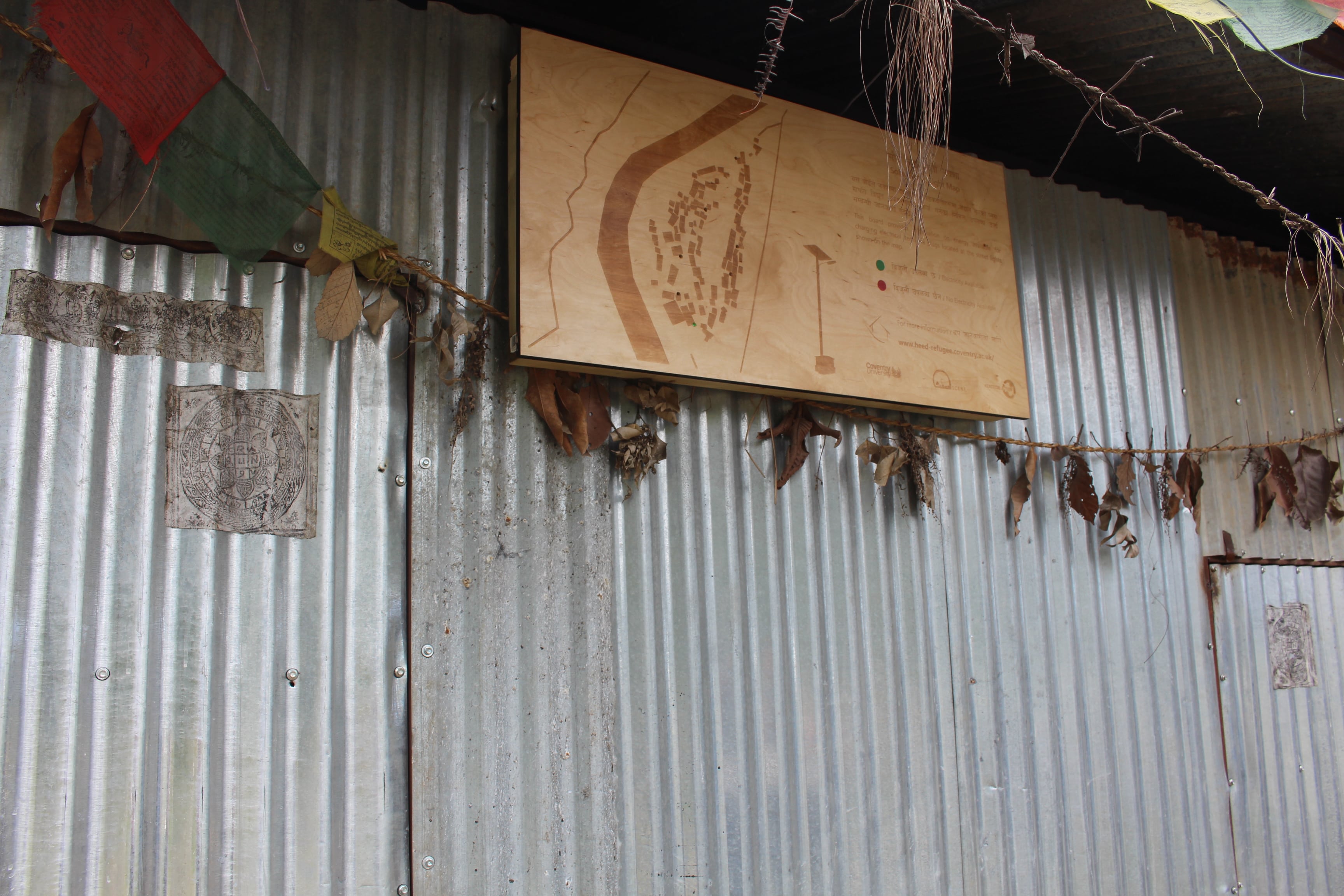
    On the 9th of July, HEED team member and Research Fellow at Coventry University, Nandor Verba, travelled to a displaced encampment in Uttargaya, Nepal to inspect design interventions and install an interface board. The primary aim for this trip was to inspect the work done by the supplier Comtronics on the installation of the solar streetlights in Nepal.

    After successfully remedying minor data issues with the solar streetlights, Nandor went on to check and retrieve data from the footfall monitors and replace monitors that were unresponsive.  He also found time to orientate the local community organiser about the charging stations that are found on the streetlights.

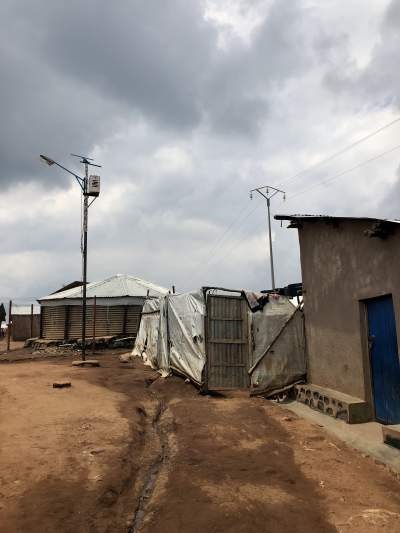
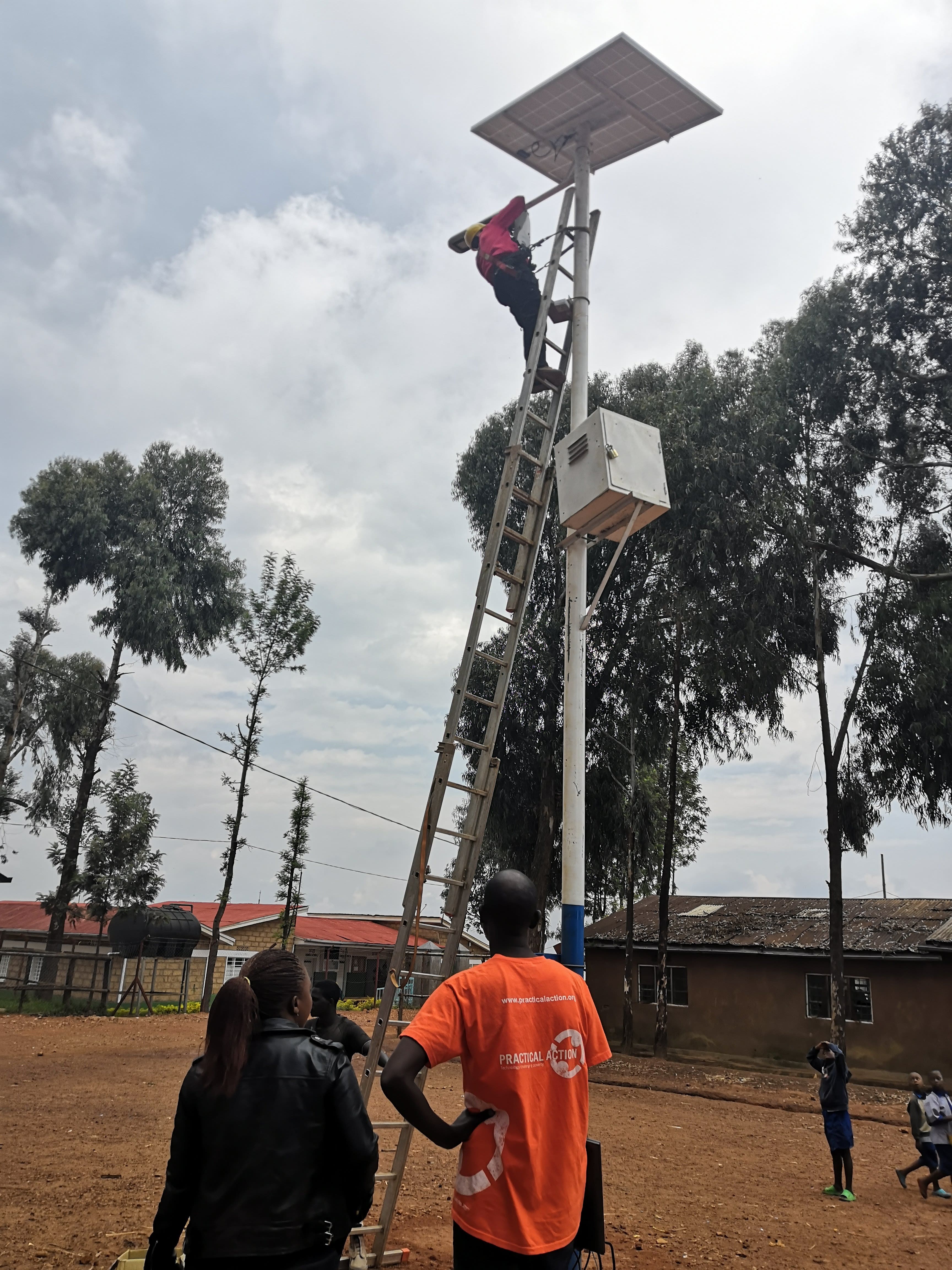
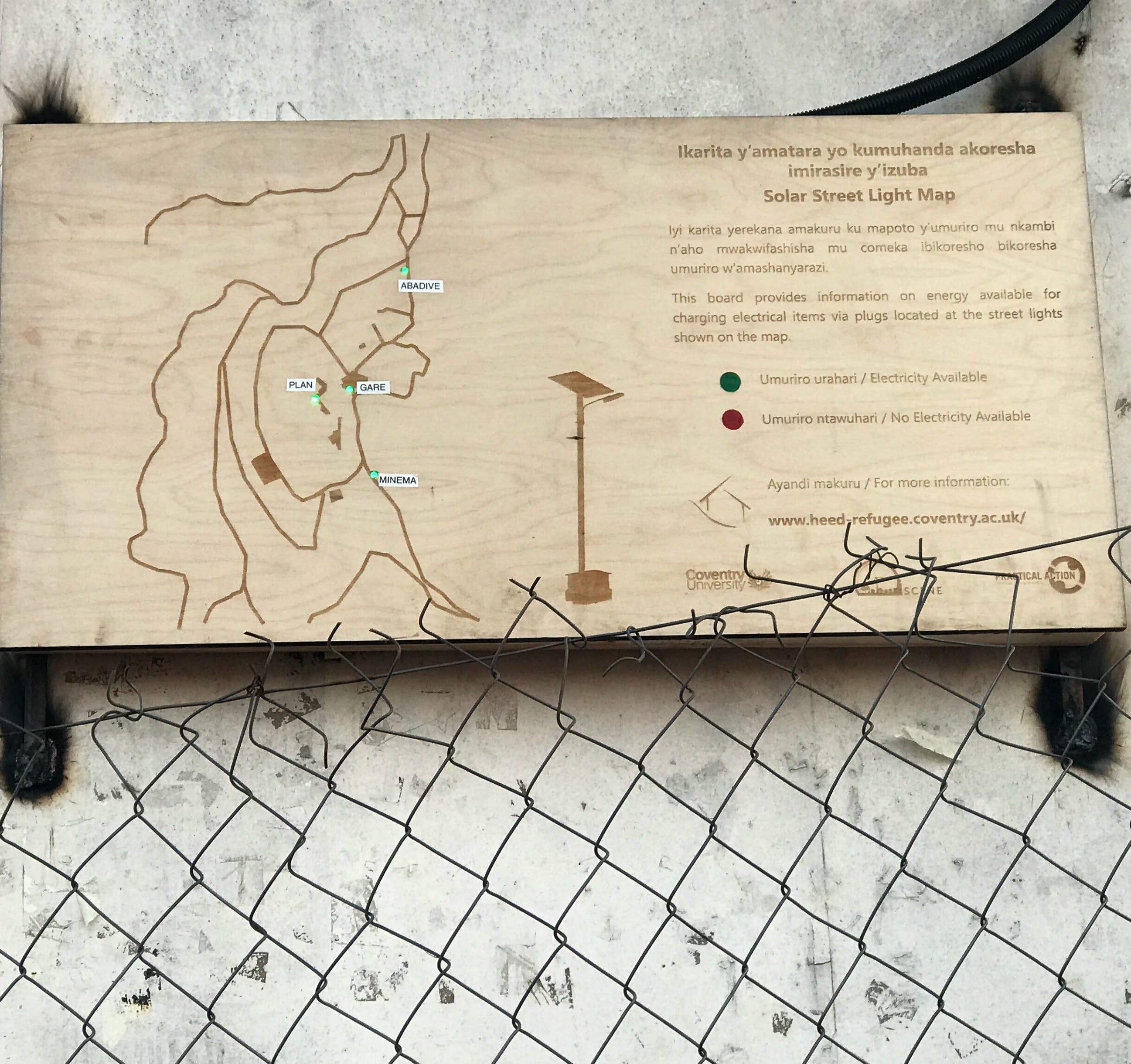
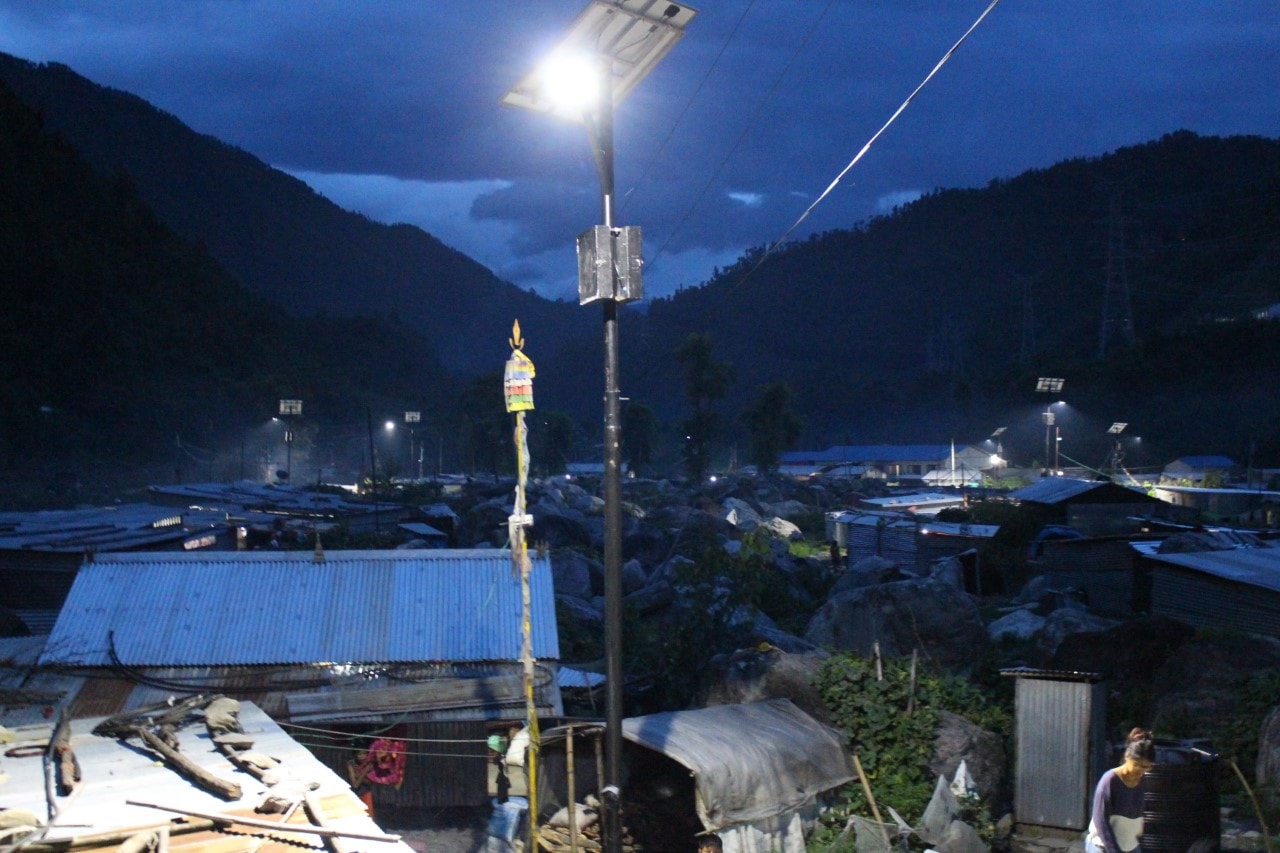
    Similar to the work being done in Rwanda, HEED has piloted solar street lighting that has the capacity to store excess energy that can be used for other electrical goods, such as mobile phones. These multi-functional streetlights not only have charging stations but are also linked to an interface board that lights up when the streetlight has sufficient power to support additional devices. In transferring the locks and keys to the charging stations to a local community organiser it encourages group ownership of the design interventions to promote project sustainability.

    This was Nandor’s first on-site visit to the camp and found the working with the community a positive, enriching experience:

    ‘One of the most rewarding experiences of being on site was being able to stand with the community as we watched all the streets lights come up at night, shifting dark spaces into pools of light. This captured for me what the project was about, working side by side with displaced communities to produce new and innovate ways of thinking about how we can address energy needs and aspirations.’

  • Major Milestones Achieved in Rwanda


    The end of June saw the completion of a three-stage commissioning check of the microgrid and solar street lights design interventions In Rwanda. Led by two members of the HEED team from Coventry University, Dr Jonathan Nixon, a Senior Lecturer at Coventry University based in the Fluids and Complex Systems Research Centre, and Daniel Bammeke, a doctoral candidate, the first stage of the commissioning checks were performed at Coventry University using data gathered remotely. These checks saw Jonathan and Daniel analyse the data collected so far from all three camp sites to detect any system anomalies in preparation for their on-site inspections in the Kigeme, Gihembe and Nyabiheke refugee camps in Rwanda.

    Jonathan and Daniel subsequently flew to Rwanda to deliver the second stage of commissioning checks. Their aim was to perform vital tests on the interventions to address damaged devices. These on-site inspections are key to the success of the project as by rigorously checking, including a visual inspection of the devices and activating control signals in situ, it ensures the control systems are functional and can continue to produce robust, transparent data.

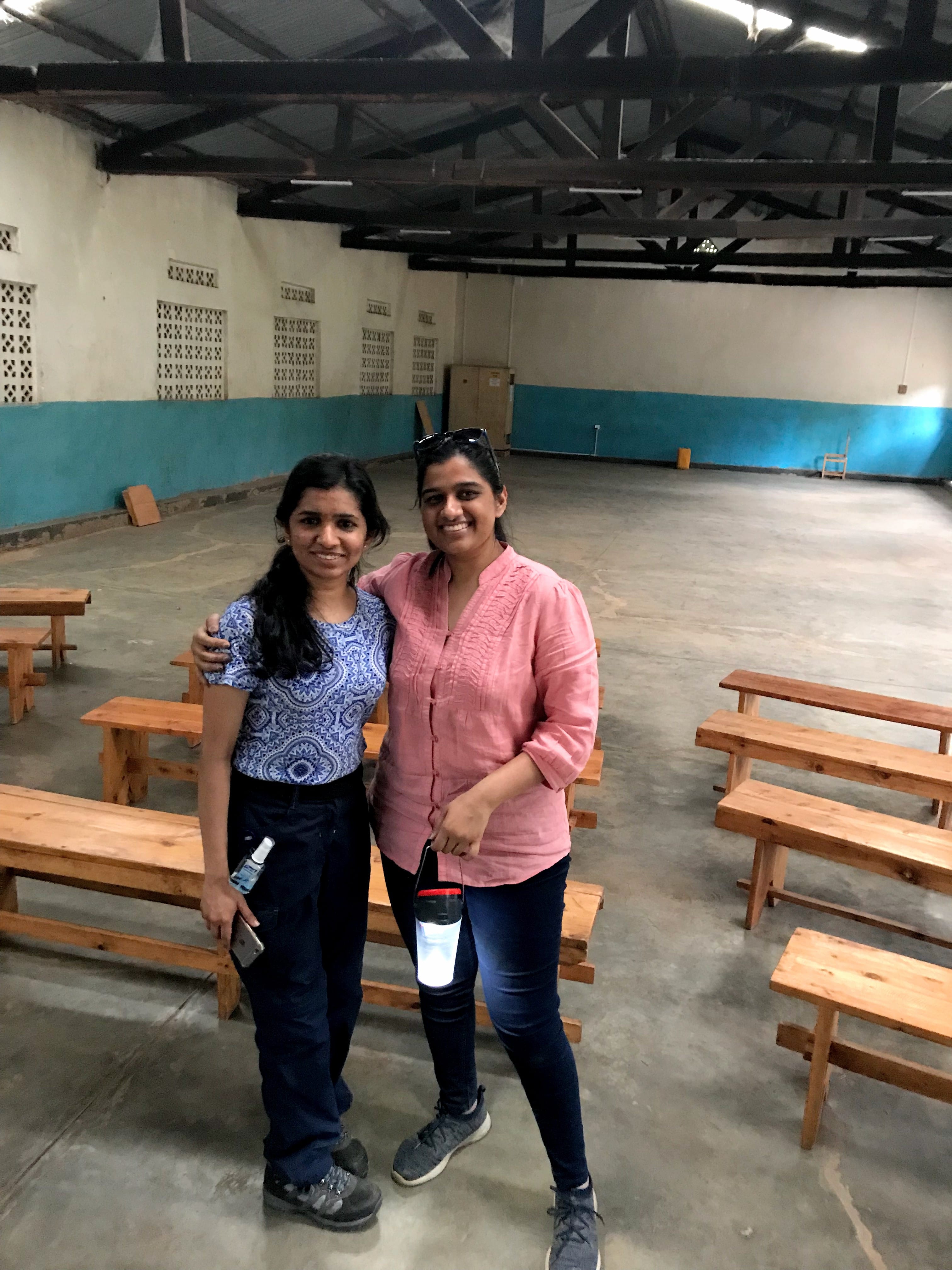
    In Kigeme camp, the microgrid design intervention is a micro-grid system designed to provide two nursery schools and a playground with power via lighting and sockets. In Nyabiheke refugee camp, a community hall is the site for the micro-grid intervention, which provides power for the lighting and sockets. In both locations, the monitoring and control systems are incorporated into the micro-grid, which HEED uses to collect system and usage data and execute control commands. Placing these interventions in communal buildings allows HEED to understand how communities use energy and could potential predict the level of energy required to maintain institutional and civic structures in the refugee context.


    The focus of the site inspection of Gihembe refugee camp was to perform commissioning checks on twelve solar powered streetlights, four of which are multifunctional.  The four multifunctional street lights are an innovative solution to energy poverty as each of the four solar powered streetlights have the ability to store excess energy generation. This means, for example, electrical items, such as mobile phones, can be charged by using the sockets attached to the streetlight. The multifunctional streetlight, just like the microgrids, also have monitoring and control systems incorporated in their designs, that allow HEED to gather data on usage.

    In addition, after overseeing the transfer of operations from suppliers, MESHPower, to HEED governance, Jonathan and Daniel spent time in Kigali delivering training to contractors on the maintenance of the systems.

    After successfully completing the on-site checks, the final step of the commissioning checks saw Jonathan and Daniel return back to Coventry, where they sent remotely controlled signals to the respective intervention designs. This confirmed whether systems’ issues were fixed or it was necessary to contact camp-based contractors to implement solutions. According to Jonathan, the visit to Rwanda provided not only an opportunity to resolve issues with operating systems but also a to transfer knowledge:

    ‘Building time into the project means I am able to work with energy suppliers and train contractors on renewable energy systems and micro grids. This allows the HEED project the platform to promote renewable energy systems modelling and optimisation as a viable option in the displaced context.

    More importantly, I feel that as humanitarian engineering has a significant role in combating energy poverty through cost-effective carbon reduction solutions, we need to encourage community engagement with the process. When we understand how vital the role of renewable energy has in addressing energy poverty, then we will begin to see increased economic development, ways to improve social welfare and a fairer distribution of resources’

  • HEED selected for the EPSRC ‘Engineering Research for Grand Challenges’, London 17th September 2019

    We are excited to announce that HEED is one of the 16 EPSRC projects being showcased at the EPSRC ‘Engineering Research for Grand Challenges,’  on Tuesday 17th Sept 6pm to 8:30pm. This evening event, held at the Weston Roof Pavilion, Southbank Centre, London, features a selection of EPSRC-funded research projects that show  how investment into engineering and digital technology is working towards resolving the most pressing global societal challenges.

    The EPSRC ‘Engineering Research for Grand Challenges’ is part of the three-day Global Grand Challenges Summit being held from the 16th-18th September at the Southbank Queen Elizabeth Hall, London. The Global Grand Challenges Summit, jointly hosted event by UK, US, and Chinese academies of Engineering, brings together 900 future engineers, researchers, innovators, entrepreneurs and policy makers. This summit hopes to generate ambitious, collaborative research that addresses technological and societal issues that impact on the present and future sustainability of communities and the planet earth.

    Further details about the three day event can be found on the RAEng website  

  • Update on HEED’s progress in Kigeme, Gihembe and Nyabiheke Refugee Camps, Rwanda


    A key feature of the HEED project is that it brings together refugees, policy makers and NGOs with team members to engage with design interventions that help understand energy needs in the context of displacement. 

    The week of the 1st– 5th of July 2019 saw HEED team members from Coventry University, Dr Kriti Bhargava and Feba Ninanalong with Melania Tarquino from Practical Action, doing just that by visiting key stakeholders and camp management officials in the refugee camps of KigemeGihembe and Nyabiheke.

    Kigeme was the first camp to be visited, where HEED hosted an inaugural lunch with representatives from UNHCR, MINEMA, Migration, WorldVision, Cartas, ARC, the camp’s refugee executive committee, camp leaders and staff from the school and playground who are taking part in the research.  

    This event gave the HEED team an opportunity to explain the purpose and answer any questions about the cookstove monitors, which had been installed on clay stoves in the camp the day before. In particularly, they were able to address the concerns of the community about the security of the microgrids and cookstove monitors, which will be through the appointment of ‘community mobilisers’. 

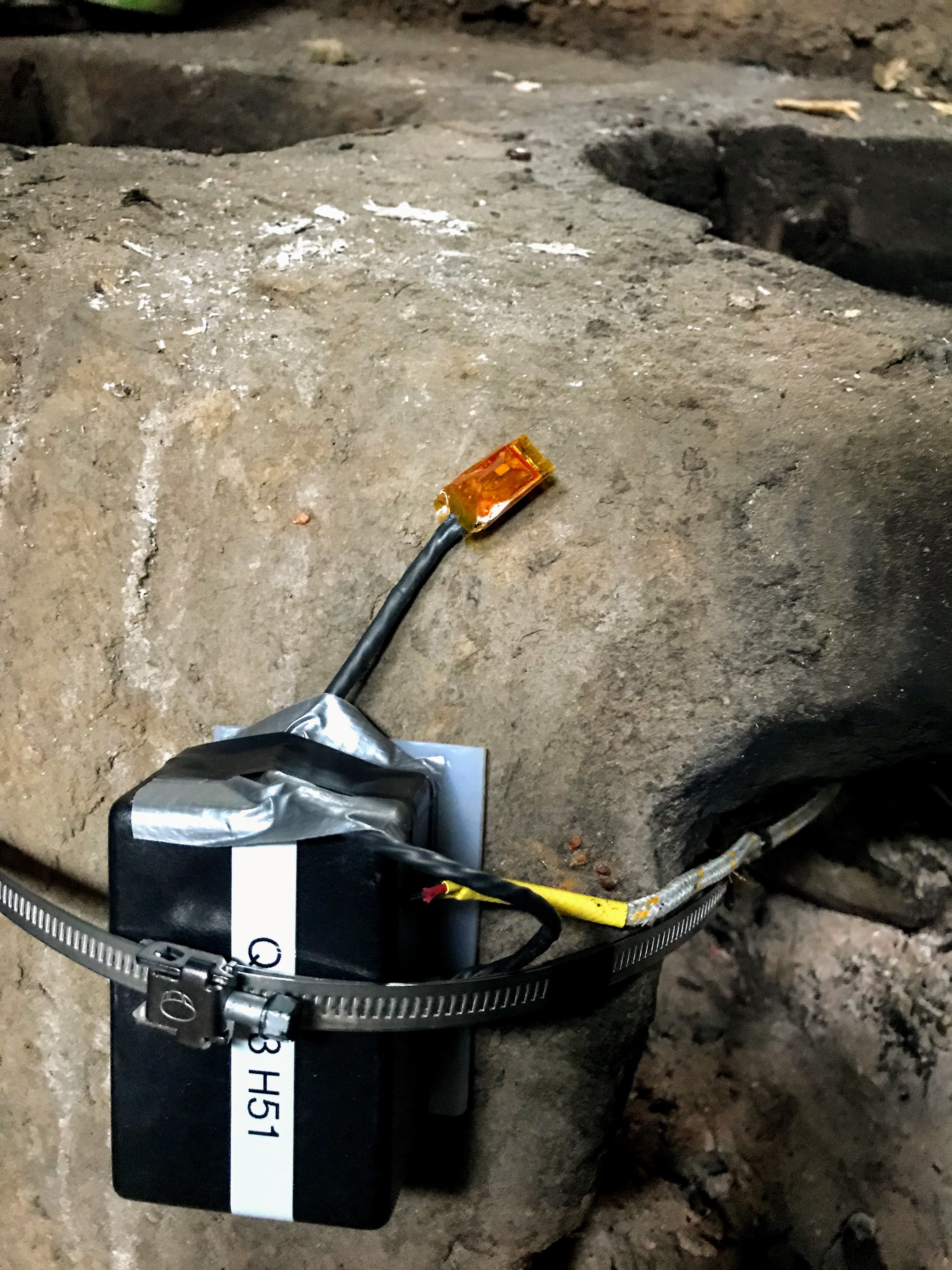
    HEED is employing a number of residents in all three camps to be community mobilisers to oversee the day-to-day running of the design interventions and encourage greater community engagement and ownership of the project’s aims. In Kigemetheir role will be to check and change the rechargeable batteries on twenty sensor-based monitoring devices installed on clay stoves. These monitors will measure the temperature inside and outside of the clay ovens to help understand domestic cooking energy usage. 

     Following the meeting in Kigeme, the HEED team went on to Nyabiheke Camp, where they met with representatives from MINEMA, Migration, WorldVision, the camp’s refugee committee, other camp leaders and community mobilisers. Later, along with Practical Action, Kriti and Feba met with the sixty households, including the appointed community mobilisers, that are participating in the project to distribute solar lanterns fitted with sensor-based monitoring devices.

    These monitors will enable the HEED project team to ascertain whether the lanterns are being used primarily as mobile or static devices. They are powered with a rechargeable battery which, with the aid of the community mobilisers, will be changed as and when required.  

    Gihembe was the last camp visitedwhere an interface board was installed

    This interface board will register the level of charge in the solar streetlights, which will indicate where excess energy has been generated and can be used for personal use. This will both help meet community and personal energy needs and provide new insights into ways energy usage can be meet through thinking creatively about engineering design.  


  • One step forward….HEED’s work in Nepal, May 2019

    The period before the monsoon season in Nepal is notorious for thunderstorms, with heavy rain and strong winds.  This year was no exception. In April we learnt that the storms were of such magnitude in the Bara and Parsa districts of southern Nepal that they resulted in  deaths and the destruction of homes.

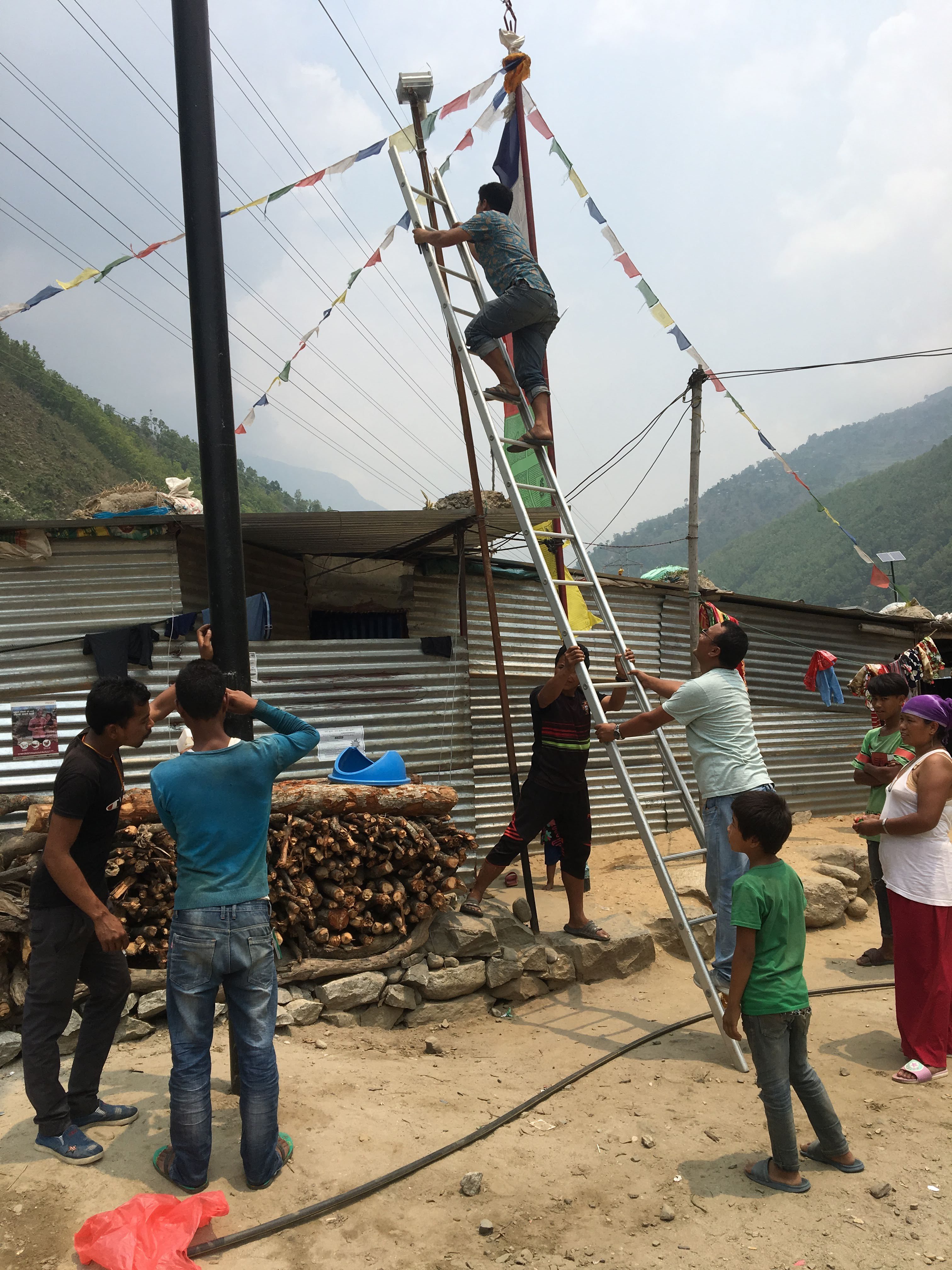
    Practical Action replacing the footfall monitor

    Sadly these thunderstorms affected the displaced encampment in Uttargaya where HEED is currently working to install design interventions intended to monitor energy usage.  Although there were no casualties, several homes were destroyed making thirteen families homeless, and a number of electric power lines were brought down that resulted in a loss of electricity to the residents.

    Damage was also caused to two of the project’s interventions: one of the seven footfall monitors that are attached to street lights and one of the WIFI outdoor amplifiers. Responding to the situation, a team from HEED, including a PhD student from Coventry University and project partners from Practical Action, visited the Uttargaya from May 22nd -30th 2019 to remove and replace the footfall monitor and WIFI amplifier with new units.

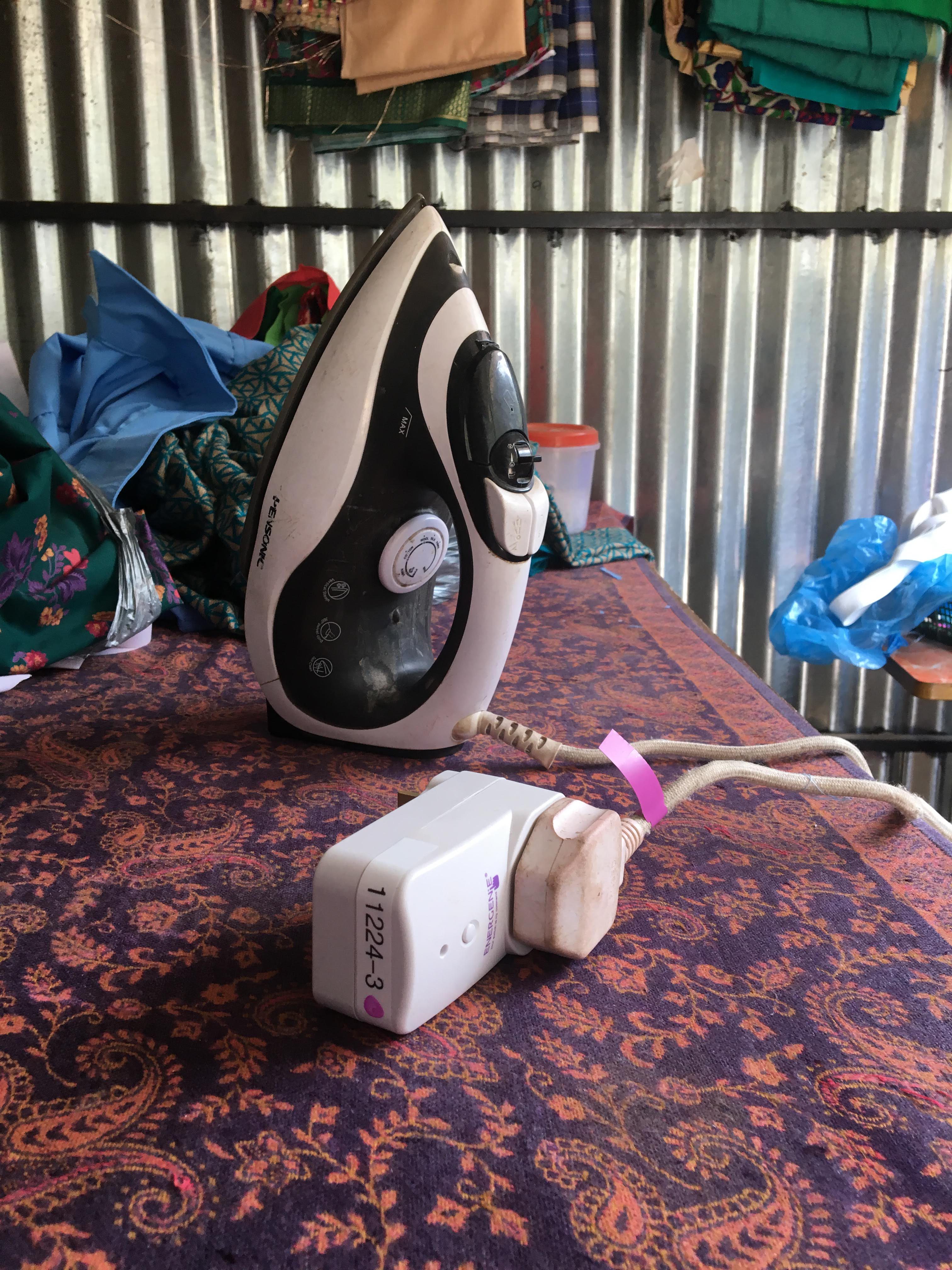
    IAMs attached and use in a displaced household.

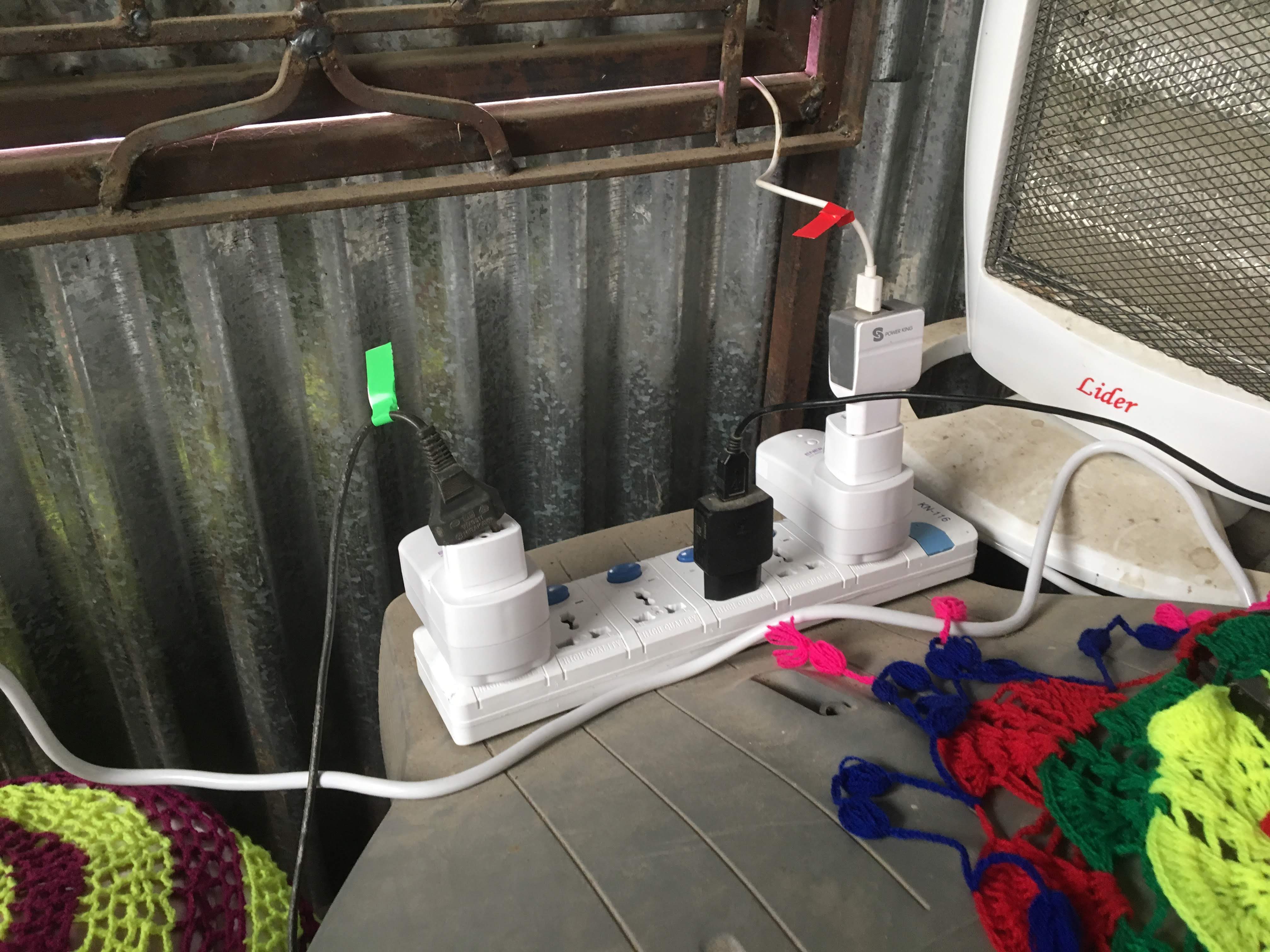
    In addition, the site visit provided the team with an opportunity to download data from the SD cards in the footfall monitors and to install in twenty-one homes a number of Individual Appliance Monitors (IAMs) and Raspberry Pi gateways that had been shipped over from the UK in February.  In all, sixty-three IAMs were attached to a range of household appliances that are in regular use by households, such as phone chargers, TVs, fans and fridges, to monitor usage and collect data.

    For Brandi Jess, a doctoral student at Coventry University who oversaw the design intervention installations in Nepal, this trip gave her greater insight into the issues that displaced people encounter in accessing energy:

    ‘Being able to deploy energy interventions in Nepal has allowed me to get first-hand knowledge of what life is like in the camp and how energy poverty impacts their lives. I feel this research is so important not only to address the energy needs within this community, but to also extend the knowledge and findings to other displaced communities to be able to address energy needs and aspirations.’

    The data collected on this trip will be analysed over the next couple of months to better understand energy usage, needs and aspirations for  displaced populations.